
 Whether you’re a farmer, real estate professional, land developer, surveyor, or property owner, a plat book is a valuable guide that gives you a snapshot of how land is divided and who owns it.
While many people have heard of plat books, not everyone understands what they are, or how they’re different from a plat map. Let’s take a closer look at this important mapping resource and the ways it’s used today.
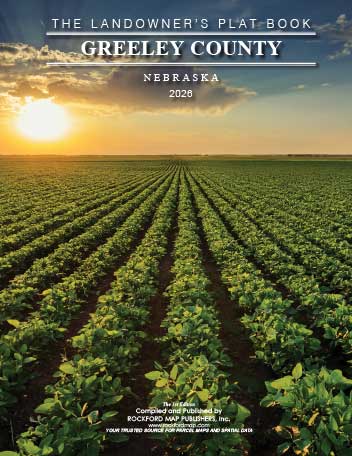
A plat book is a published collection of maps that shows who owns land and its boundaries within a geographic area, usually organized by county. These books can include detailed maps that highlight property lines, acreage, roadways, waterways, and even landowners’ names.
Plat books are often used in rural areas, where farmland, other large pieces of land, and undeveloped properties are common. In many counties, plat books are regularly updated showing property sales, ownership changes, and the creation of new subdivisions and developments.
Today’s plat books have much more than just parcel data. Depending on the publisher, they may show:

In rural communities, plat books are one of the most practical tools for understanding the local landscape. That’s because plat books identify neighboring landowners, plan field access, and evaluate nearby properties for purchase or rental.
Realtors, appraisers, and land brokers use plat books to study up on parcels of land, check who owns them, and understand property layouts. They can also help buyers better “see” land use and different roads.
Before beginning projects, land planning and construction pros use plat books to learn about parcel outlines, easements, road systems, and neighboring properties.
Emergency responders, utility companies, and conservation departments use plat books for planning, routing, and land and resource management.
Many outdoor aficionados reach for their plat books because they show which land is public and what is privately owned. Hunters, anglers, and trail riders often use them to legally cross land in the country.
They sound quite similar, but they are not the same thing.
A plat map is a single map or drawing that shows details of how a piece of land is split into lots and identifies boundaries, streets, and easements. People commonly use them for legal and property record purposes.
A plat book is a publication containing many plat maps organized into a larger guide, usually covering an entire county or region. Think of a plat map as one page, and a plat book as, well, a book.
Plat books offer a unique value. They combine ownership information, geographic detail, and local context in a format that is easy to reference and understand. Having the ability to look at thousands of parcels and owner names with the simple turn of a page is priceless.
Maybe the most beautiful thing about a plat book is that its core purpose remains the same. To help people better understand the land around them.
Do you have some plat book questions? Browse our plat books by county, call us at 800-321-1627 or contact us, and let’s talk about your plat book needs!